
Electric vehicles (EVs) are transforming transportation—and with them comes the need for reliable, efficient EV charger setups. Whether you’re a homeowner, business, or EV enthusiast, understanding the right charging infrastructure is key to getting the most from your electric car.
🚘 What Is an EV Charger?
An EV charger, or Electric Vehicle Supply Equipment (EVSE), supplies electric energy to recharge EV batteries. These chargers vary in power, speed, and features.
🔌 Types of EV Chargers
Level 1 Charger (120V):

- Plugs into a standard wall outlet
- Adds 3–5 miles of range per hour
- Ideal for overnight home charging
- Slowest but most affordable option
Level 2 Charger (240V):
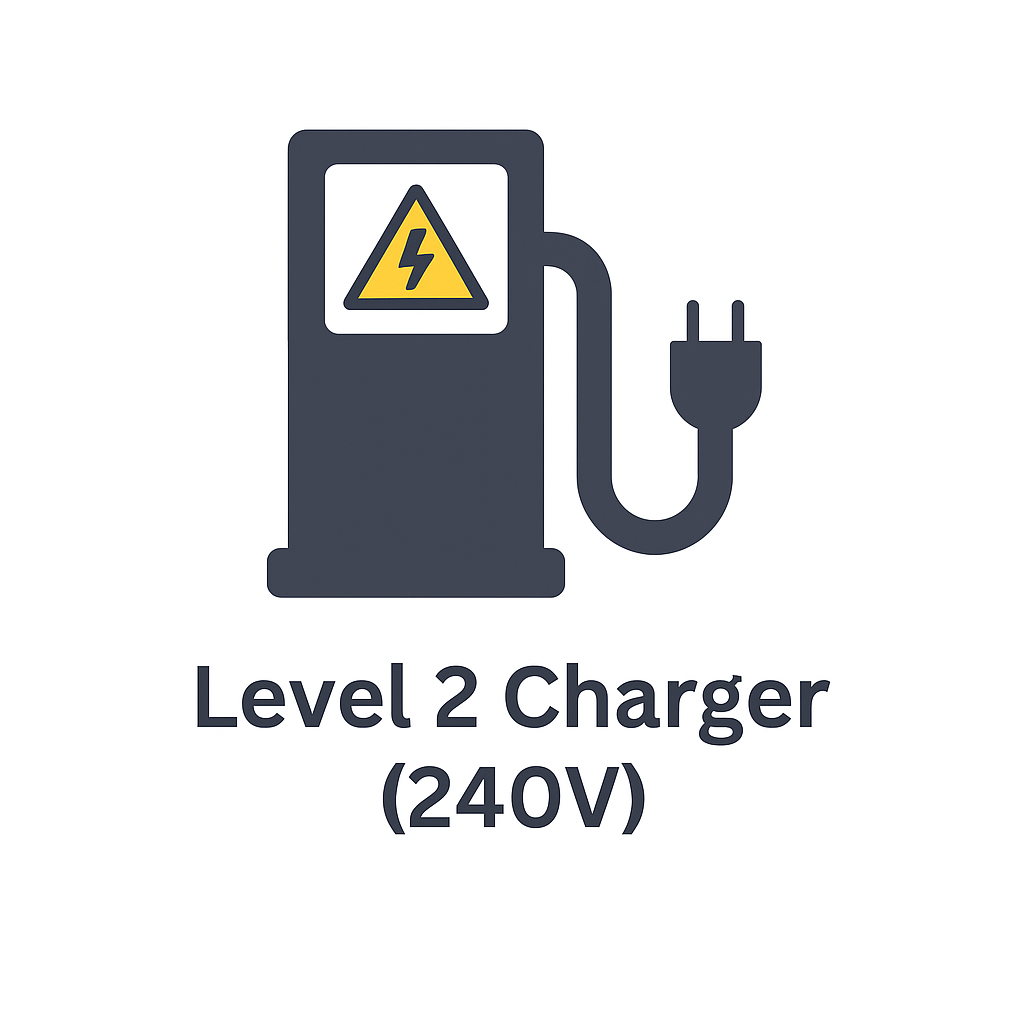
- Requires dedicated installation
- Adds 20–30 miles of range per hour
- Most popular for home and commercial use
- Available in smart versions with app control

- Adds up to 80% charge in 30 minutes
- Found at public stations and highways
- Not suitable for typical home use
- Compatible with most modern EVs (check your model)
DC Fast Charger (Level 3):
🏡 Home EV Charger Setup
Installing a Level 2 home charger is the smartest choice for EV owners. It offers faster charging and can be integrated with solar panels or smart meters.
Key Steps:
- Hire a licensed electrician
- Choose a charger brand/model (e.g., Tesla Wall Connector, ChargePoint)
- Apply for local permits if needed
- Consider Wi-Fi enabled chargers for scheduling and monitoring
🏙️ Public Charging Options
EV drivers can charge on the go using public charging networks like:
- Tesla Supercharger
- ChargePoint
- EVgo
- Electrify America
Apps like PlugShare and Zap-Map help you find chargers near you.
💰 Cost of Charging
At Home:
- Cost per full charge: $3–$8
- Depends on electricity rate and battery size
Public Fast Chargers:
- $0.25 to $0.50 per kWh
- Some networks offer subscriptions
📊 Choosing the Right EV Charger
When picking a charger, consider:
- EV model compatibility
- Charging speed needs
- Budget
- Smart features (apps, scheduling)
- Future-proofing (higher amps for newer models)
🌱 Environmental Impact
Charging EVs with clean electricity (e.g., from solar or wind) reduces:
- Greenhouse gas emissions
- Dependency on fossil fuels
- Air pollution in cities
✅ Final Thoughts
Setting up the right EV charger system gives you:
- Convenience
- Cost savings
- Peace of mind
- A smoother EV driving experience
Whether you’re charging at home or on the road, being informed helps you get the most from your electric vehicle.