
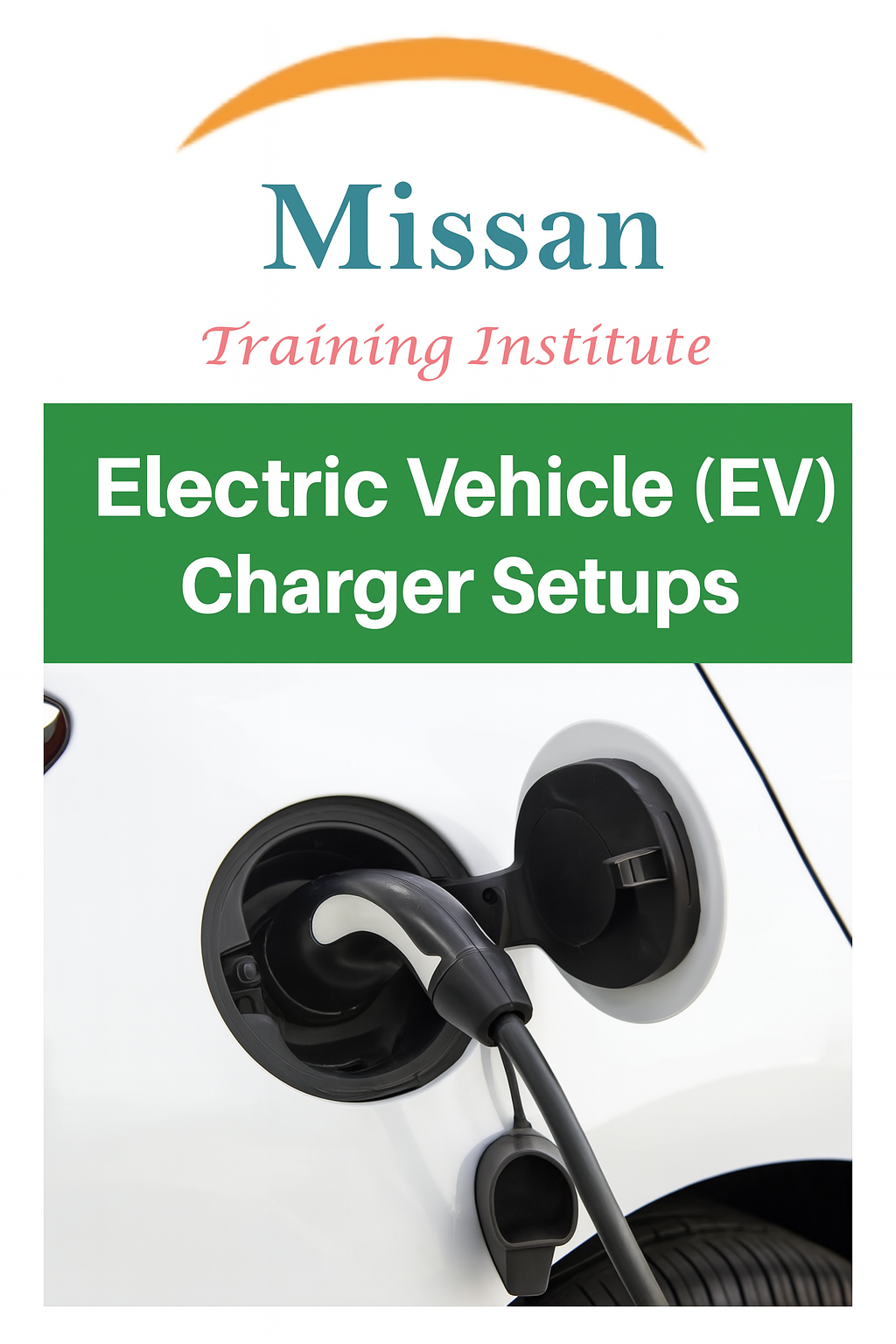
As electric vehicles (EVs) continue to gain popularity, the demand for efficient and reliable EV charger setups is growing rapidly. Whether you’re a homeowner, business owner, or property manager, understanding the available charging options and how to set them up is key to supporting the future of clean transportation.
In this guide, we’ll cover the different types of EV chargers, their installation requirements, and the best setups for various use cases.
Types of EV Chargers
1. Level 1 Charger
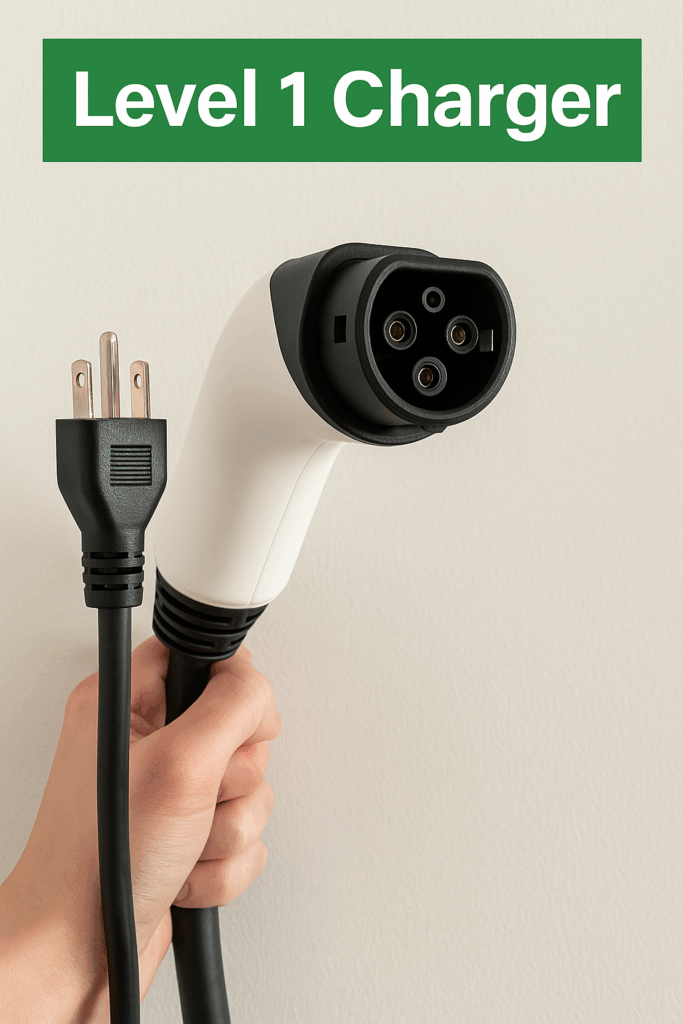
- Voltage: 120V
- Charging Speed: 3–5 miles of range per hour
- Best For: Overnight charging at home
- Setup: Plugs into a standard household outlet. No special installation required.
2. Level 2 Charger
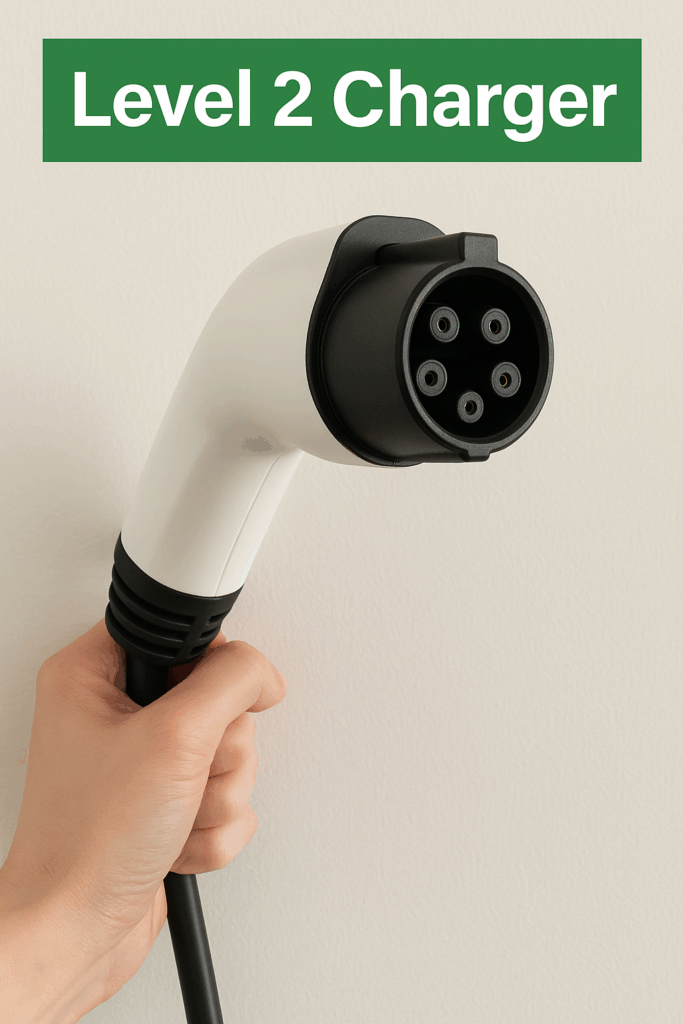
- Voltage: 240V
- Charging Speed: 10–60 miles of range per hour
- Best For: Home, commercial, and workplace charging
- Setup: Requires a dedicated 240V circuit; professional installation recommended.
3. DC Fast Charger (Level 3)
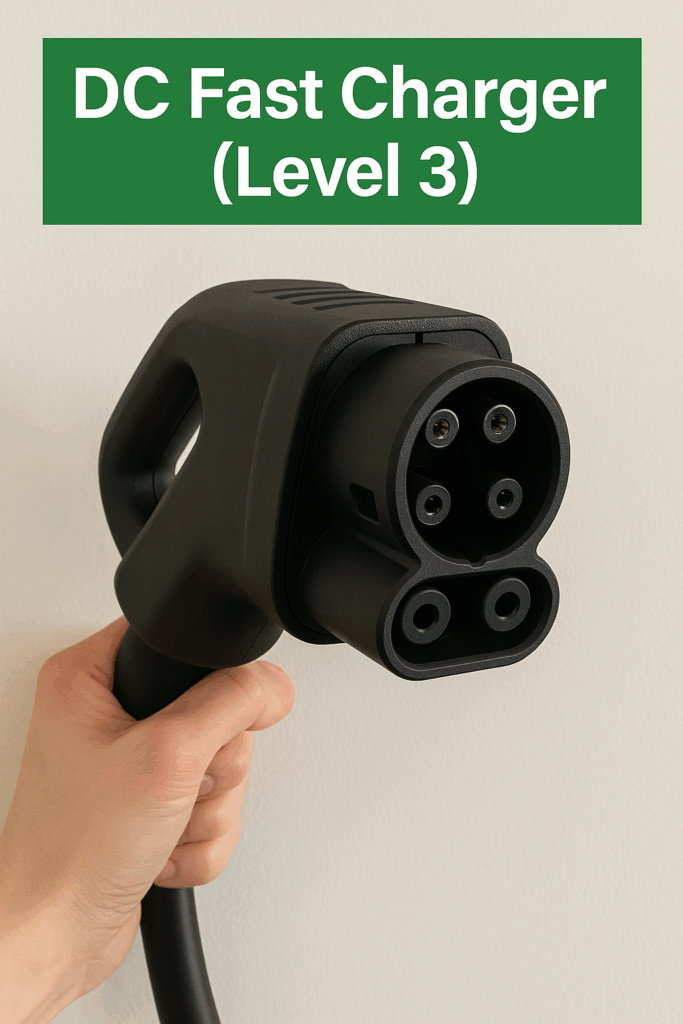
- Voltage: 400V+
- Charging Speed: 80% charge in 20–30 minutes
- Best For: Public charging stations, highway corridors
- Setup: High-cost installation with heavy infrastructure requirements.
Home EV Charger Setup
Installing an EV charger at home is one of the most convenient and cost-effective ways to keep your electric vehicle ready to go.
Key Considerations:
- Electrical Panel Capacity: Ensure your home’s electrical system can handle an additional 240V load.
- Installation Location: Typically installed in the garage or driveway.
- Weatherproofing: Choose an outdoor-rated charger if installing outside.
- Smart Features: Look for Wi-Fi enabled chargers for usage tracking and scheduling
Commercial EV Charger Setup
Businesses and property managers are increasingly adding EV charging stations to their locations to attract customers, tenants, or employees.
Ideal Locations:
- Shopping centers
- Hotels and resorts
- Office buildings
- Apartment complexes
Key Benefits:
- Increase property value
- Enhance sustainability credentials
- Generate revenue through paid charging
Public EV Charging Stations
Public EV charging infrastructure is essential to support long-distance travel and urban EV adoption.
Important Features:
- Multiple charging ports
- Fast charging capabilities
- 24/7 access and security
- Integration with EV charging apps
How to Choose the Right EV Charger Setup
Choosing the best EV charger depends on:
- Vehicle type and battery size
- Daily driving distance
- Available electrical capacity
- Budget and installation space
Always consult a licensed electrician or EV charging provider before starting your setup.
EV Charger Installation Cost
- Level 1: $0 (uses standard outlet)
- Level 2: $500–$2,000 (equipment + installation)
- DC Fast Charger: $10,000–$50,000+ depending on complexity
Conclusion
Installing the right EV charger setup is a smart investment for individuals and businesses alike. As electric vehicle adoption continues to rise, being prepared with an efficient and scalable charging solution is more important than ever.
Need help setting up your EV charger? Contact us today for a free consultation and custom quote.