
Ensuring Safety Standards in Saudi Arabia’s Oil Refineries
Saudi Arabia, as one of the leading oil-producing nations in the world, depends heavily on the seamless operation and safety of its oil refineries. These refineries handle complex processes involving highly flammable materials, high pressures, and elevated temperatures—making occupational safety and process safety top national priorities. In this article, we explore how Saudi oil refineries ensure compliance with international and local safety standards, and the strategies they use to reduce risk, protect workers, and maintain operational excellence.
1. Regulatory Framework and Compliance
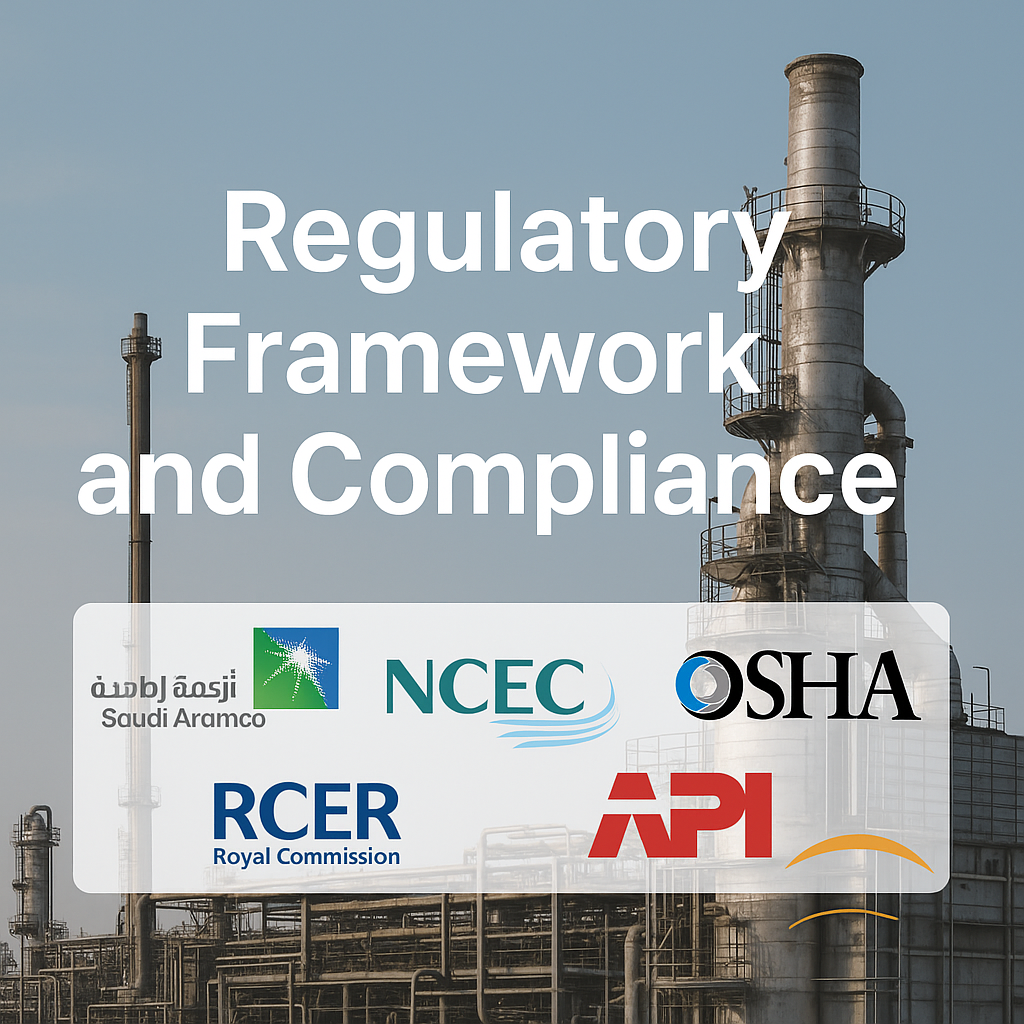
Saudi refineries operate under strict regulations imposed by local and global authorities.
🔹 Key Regulatory Bodies:
- Saudi Aramco Safety Management System (SMS)
- National Center for Environmental Compliance (NCEC)
- Royal Commission Environmental Regulations
- OSHA and API standards for international compliance
🔹 Compliance Strategies:
- Regular internal audits
- Third-party safety certifications
- Integration of digital compliance tools and checklists
✅ Maintaining documentation and real-time reporting is a legal and operational necessity in Saudi oil industries.
2. Hazard Identification and Risk Assessment (HIRA)
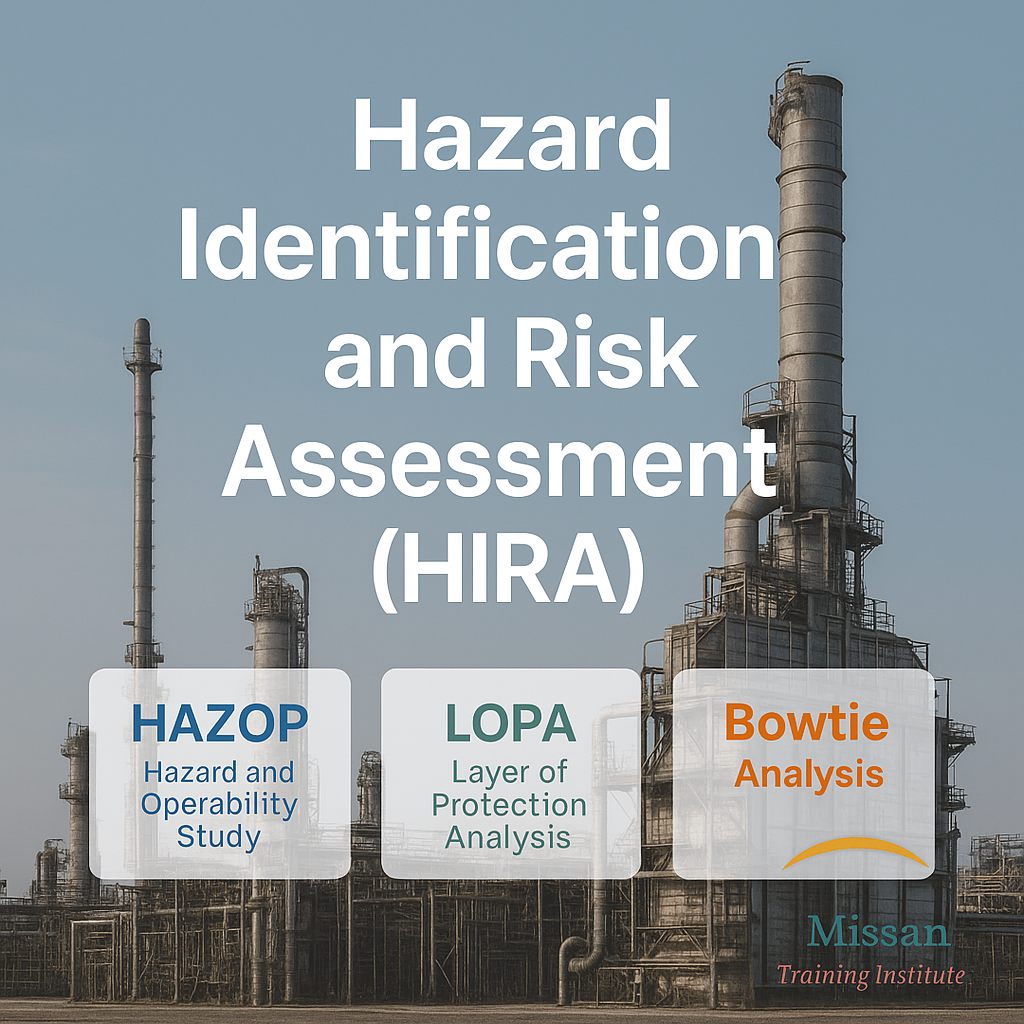
Refineries conduct regular risk assessments to anticipate potential accidents before they occur.
🔸 Tools and Techniques:
- HAZOP (Hazard and Operability Study)
- LOPA (Layer of Protection Analysis)
- Bowtie Analysis for visualizing incident pathways
🔸 Typical Hazards in Refineries:
- Gas leaks and explosions
- Fires due to static electricity
- Mechanical failures in pressurized vessels
📌 Continuous training ensures that all operators can identify early warning signs and act quickly.
3. Emergency Response Plans
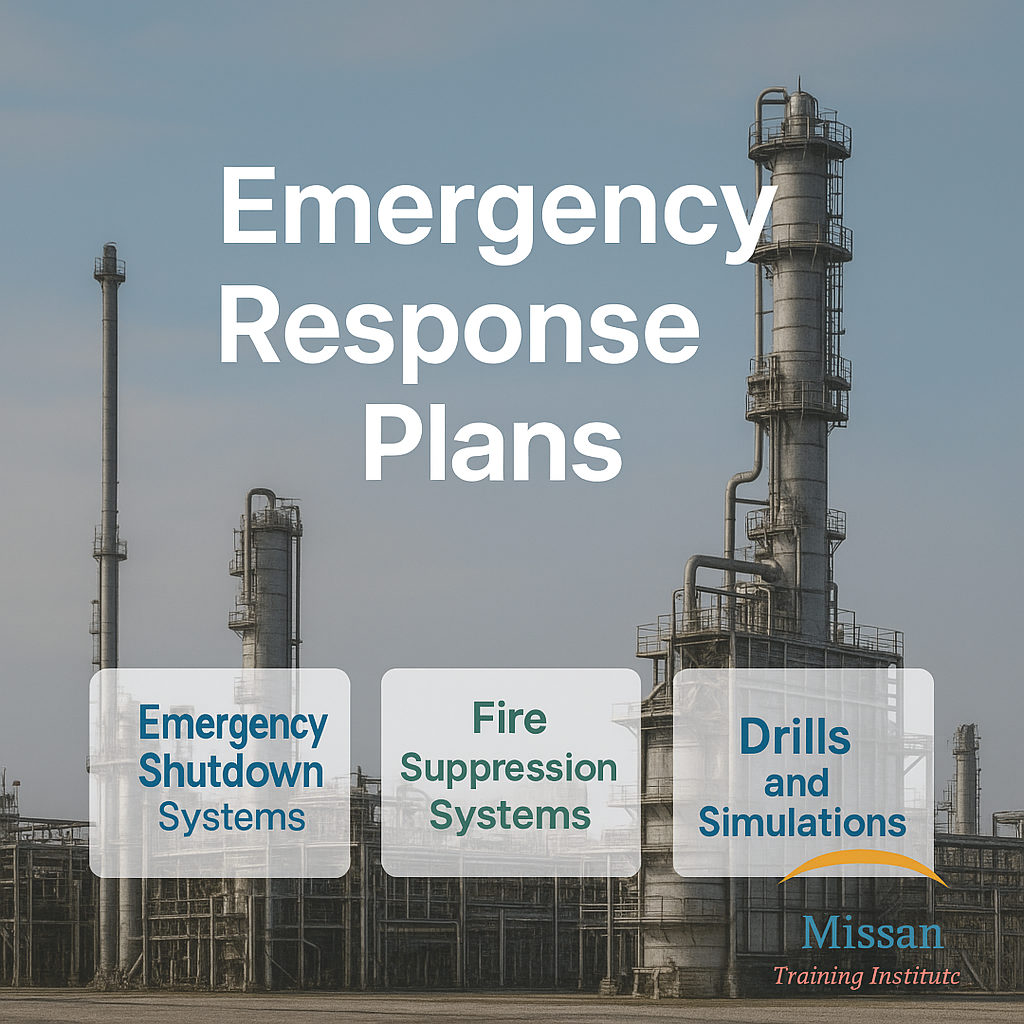
Every refinery has dedicated emergency protocols to respond to fires, chemical spills, or structural failures.
🔹 Components of a Robust Plan:
- Emergency shutdown systems (ESD)
- Fire suppression systems with foam, water mist, and CO₂
- Regular emergency drills and simulations
🔹 Coordination with:
- Saudi Civil Defense
- On-site medical and HAZMAT teams
“A response delayed is a disaster magnified”—this motto underpins the importance of preparedness
4. Workforce Safety & PPE Standards
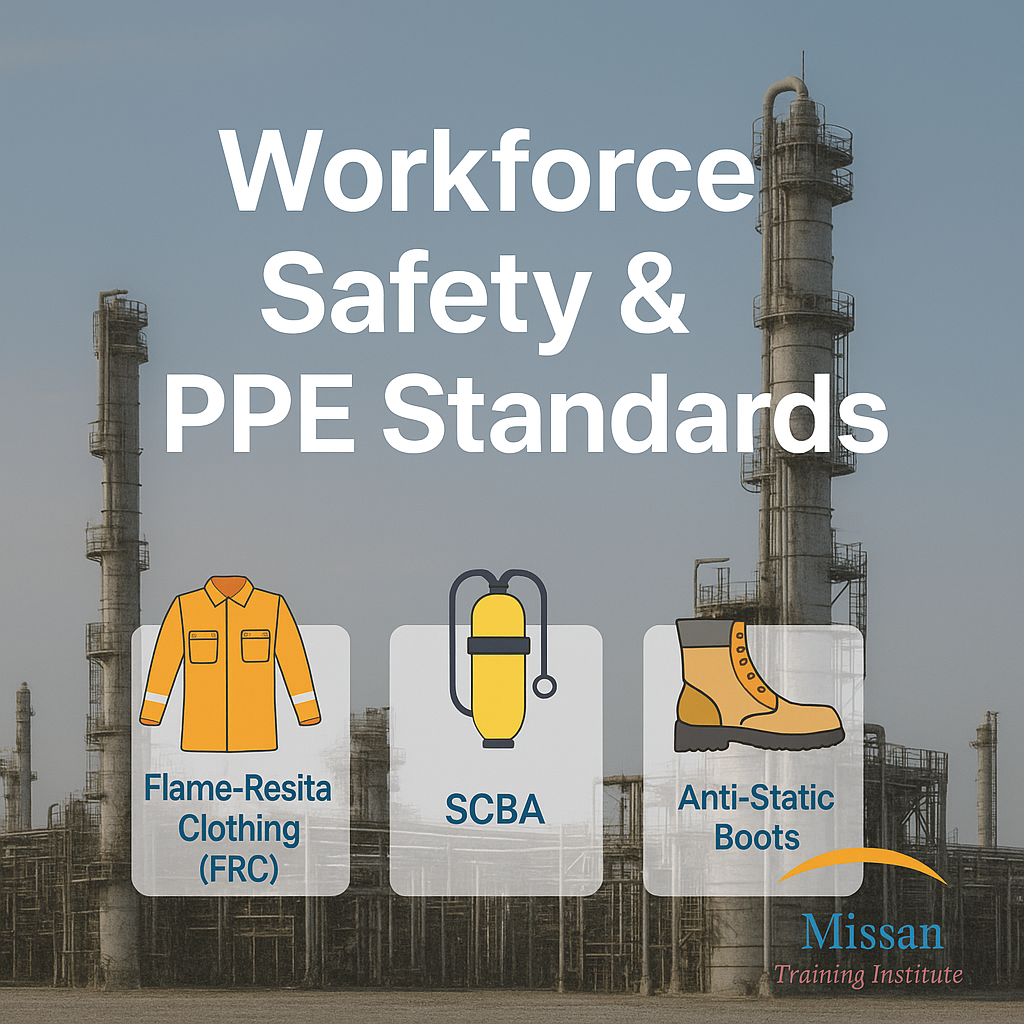
Worker safety is a non-negotiable priority in Saudi refineries.
🔸 Standard PPE Equipment:
- Flame-resistant clothing (FRC)
- SCBA (Self-Contained Breathing Apparatus)
- Anti-static boots and gloves
🔸 Worker Safety Practices:
- Permit-to-work systems
- Lockout/tagout (LOTO)
- Confined space entry procedures
👷♂️ Behavior-based safety (BBS) programs are increasingly used to promote safe habits on site.
5. Technological Advancements in Safety
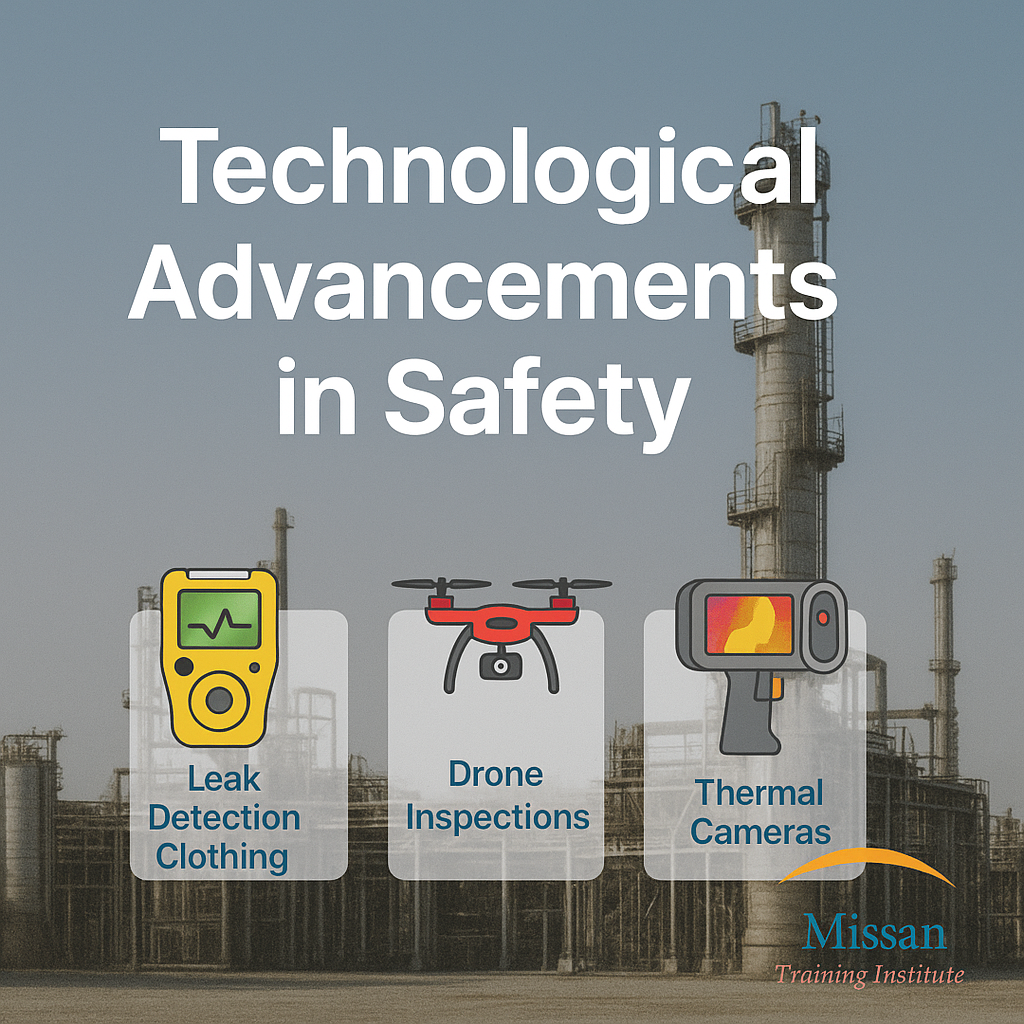
Saudi refineries invest in smart safety systems that leverage automation and real-time monitoring.
🔹 Innovations Include:
- AI-powered leak detection sensors
- Drone-based visual inspections
- Thermal cameras for hot-spot detection
- Smart wearables for tracking worker location and vitals
📊 All safety data is often integrated into a centralized dashboard for quick decision-making
6. Training, Certification, and Continuous Improvement
Safety is only as strong as the people who implement it.
🔸 Training Centers in KSA:
- Saudi Petroleum Services Polytechnic (SPSP)
- King Fahd University for Petroleum and Minerals (KFUPM)
🔸 Certifications in Demand:
- NEBOSH IGC
- IOSH
- Process Safety Management (PSM) Certification
Continuous learning, knowledge sharing, and post-incident reviews are part of every refinery’s safety culture.