

1. Wear Personal Protective Equipment (PPE)
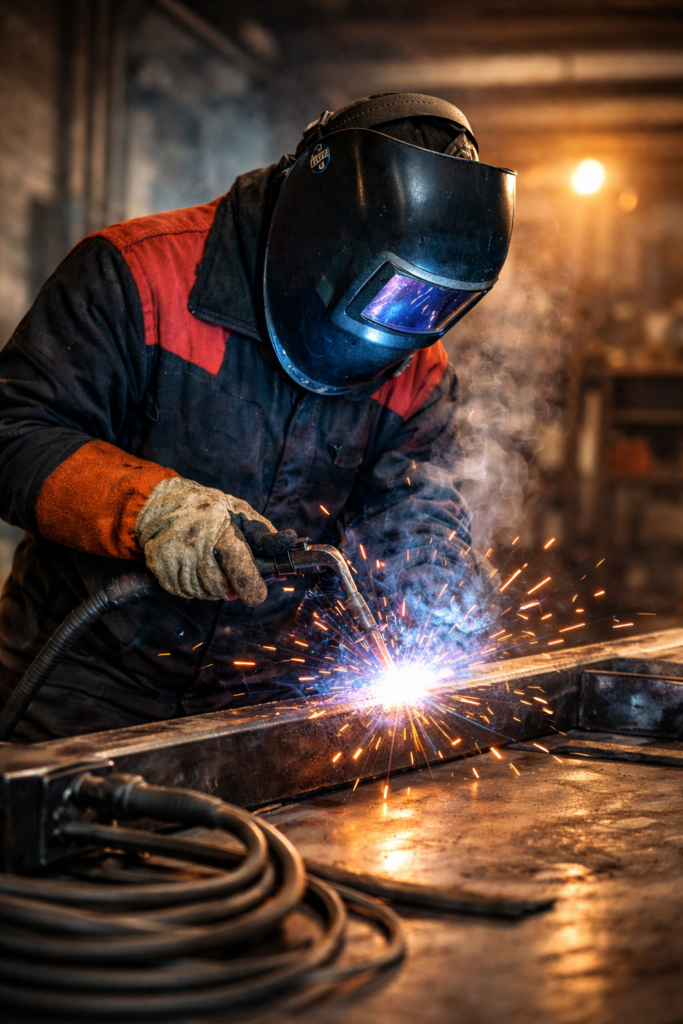
The first step in ensuring safety during welding is wearing the proper personal protective equipment. Here are the key items you should wear:
- Welding Helmet: To protect your eyes and face from welding sparks and harmful rays.
- Heat-Resistant Gloves: To protect your hands from excessive heat and burns.
- Long, Thick Clothing: Preferably made of heat-resistant materials like leather or thick fabric.
- Protective Footwear: To protect your feet from burns or heavy equipment.
Watch this video for more details on welding PPE and safety practices:
Welding Safety for New Welders – Tips for beginners on how to stay safe during welding.
2. Ensure a Safe Work Environment Before Starting
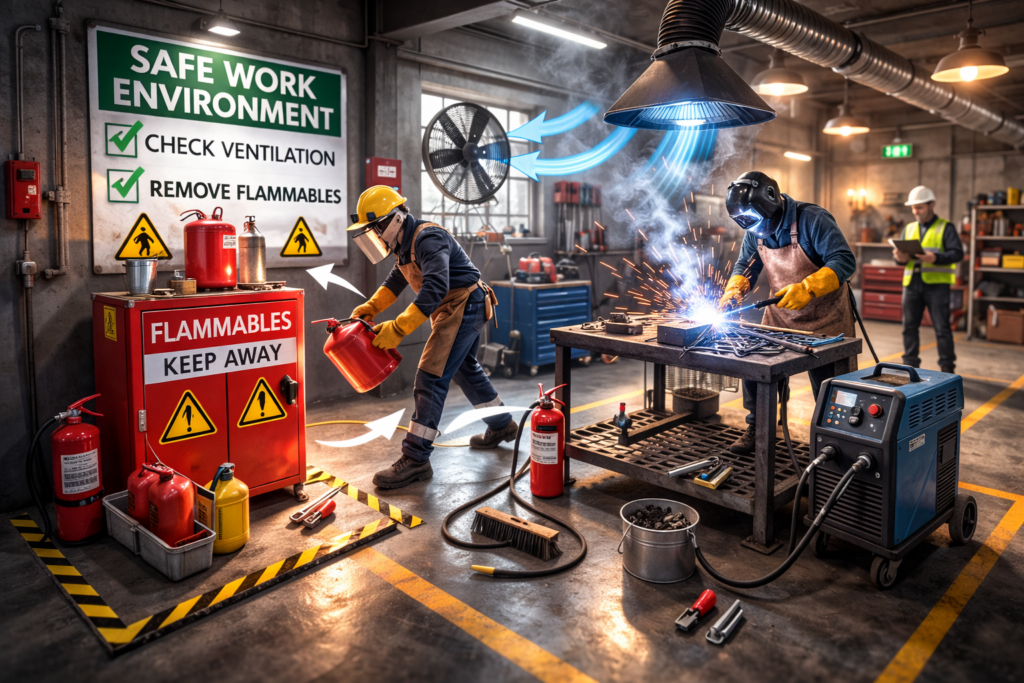
It’s important to ensure that your workspace is free from combustible materials or flammable gases. Also, make sure the area is well-ventilated.
- Ensure Proper Ventilation: Use fans or ventilation systems to remove harmful fumes.
- Remove Flammable Materials: Keep all flammable materials, such as paper or oil, away from the welding area.
For detailed instructions on ensuring proper ventilation and working environment safety:
Welding Safety Video – Quality Welder Safety Training
3. Use the Right Tools and Equipment
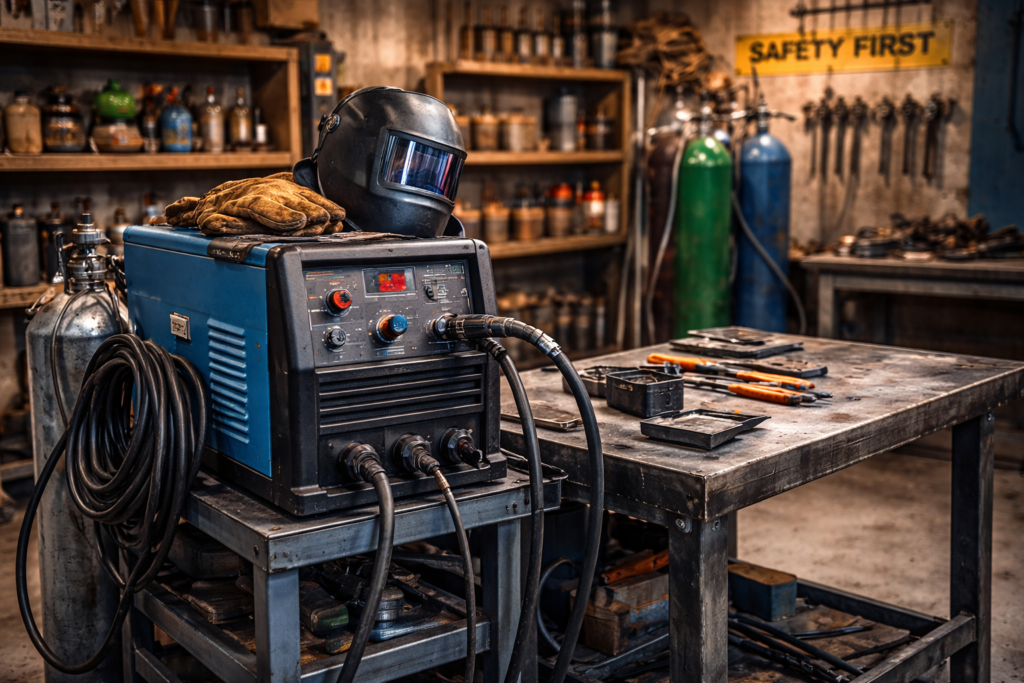
Ensure that the tools and equipment you’re using are in good condition and free from defects that could cause accidents. Always inspect the welding equipment before beginning work.
- Inspect Equipment: Check the cables and electrical plugs.
- Use Appropriate Welding Tools: Choose tools that are suitable for the type of metal you’re working with.
Check out this video that discusses how to properly inspect welding equipment and use the right tools:
Welding Safety Essentials | Toolbox Talk
4. Understand and Manage Electrical Hazards
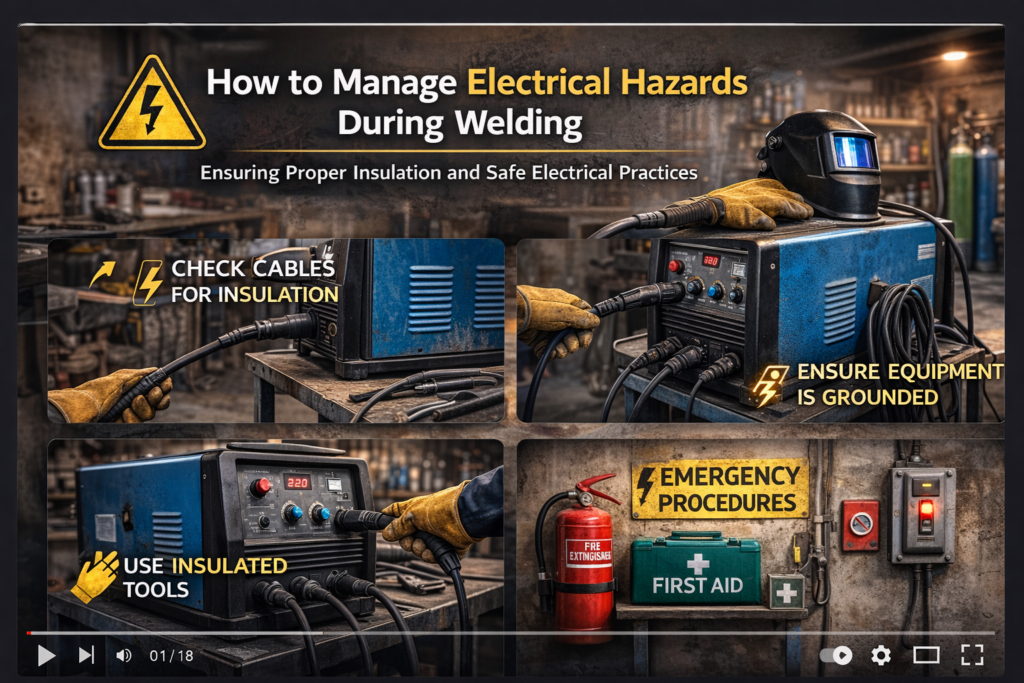
Welding involves significant electrical risks. Welders must follow specific precautions to avoid electrical shocks:
- Ensure Proper Insulation: Make sure the welding machine is disconnected from the power supply before use.
- Use Proper Insulated Tools: Ensure that all electrical devices are grounded and insulated.
Learn how to manage electrical hazards during welding by watching this video:
How to Manage Electrical Hazards During Welding
5. Deal with Fire Hazards and Toxic Fumes
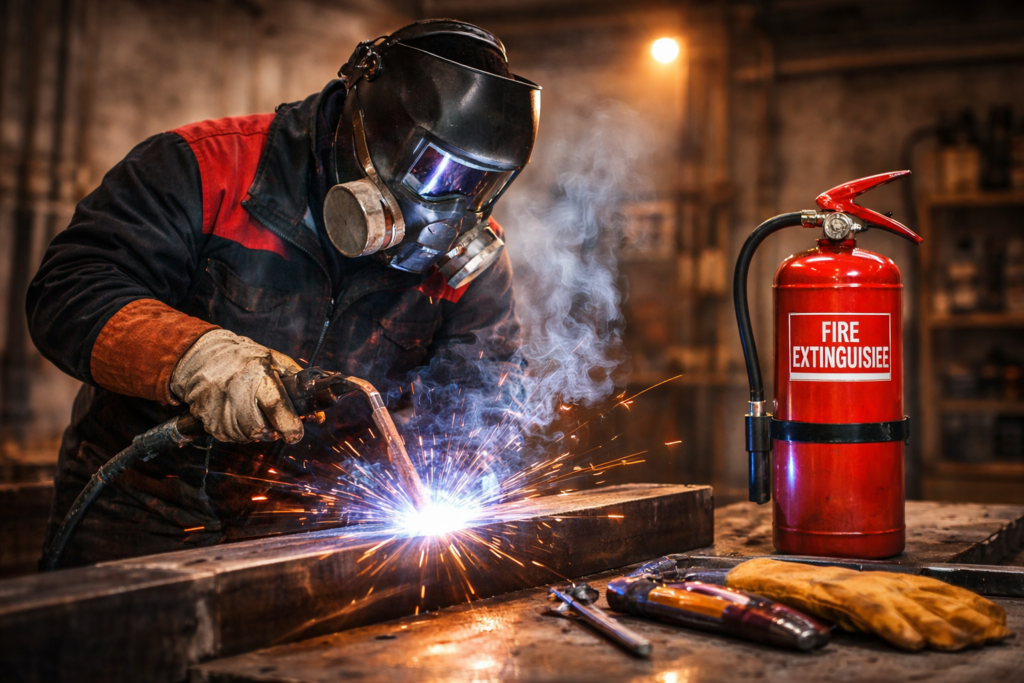
One of the main dangers of welding is the risk of fire from flying sparks and toxic fumes released during the process.
- Have Fire Extinguishers Nearby: Ensure that fire extinguishers are easily accessible in the welding area.
- Wear Respirators: Wear a suitable respirator to protect your lungs from harmful fumes and gases.
Watch this video for insights on managing welding fumes and avoiding fire hazards:
Keep Yourself Safe: 6 Welding Safety Hazards & How To Avoid Them
6. Clean the Area After Work
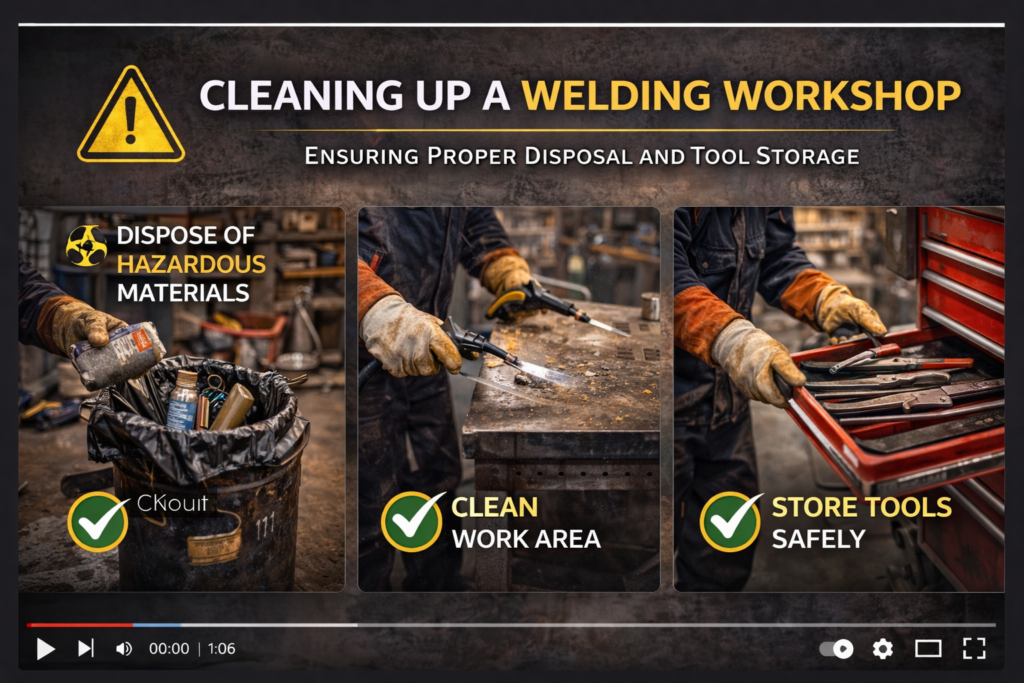
After finishing the welding process, it’s essential to clean the area thoroughly to ensure it’s free of combustible materials or tools that could cause accidents.
- Store Tools Safely: Make sure all tools are stored properly after use.
- Dispose of Combustible Materials: Safely dispose of any leftover materials that may catch fire.
For a step-by-step guide on cleaning up the welding area and disposing of hazardous materials properly:
Cleaning Up a Welding Workshop
Conclusion
Welding, when done correctly, is a safe and efficient process. However, every welder must adhere to strict safety standards to protect themselves and others in the workplace. Never underestimate the importance of PPE, checking the work environment, and inspecting equipment before starting. By following these guidelines, you’ll be safer and more productive in your welding tasks.