
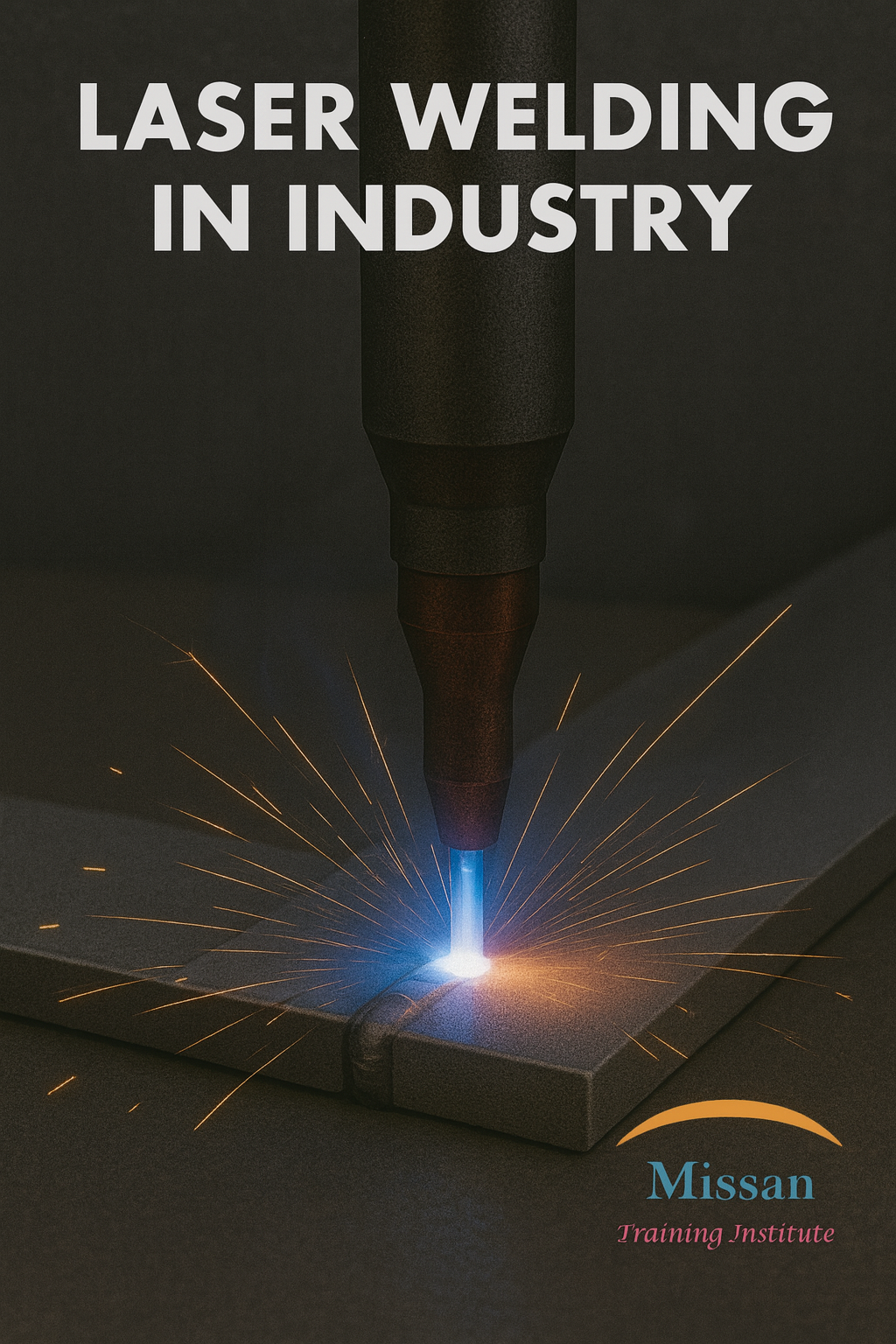
In today’s fast-growing industrial world, Laser Welding (LW)—also known as Laser Beam Welding (LBW)—is one of the most advanced and precise welding methods. This technology uses a highly concentrated laser beam to melt and join materials with unmatched speed and accuracy.
👉 Whether in automotive factories, aerospace engineering, or medical devices, laser welding is becoming the global standard for efficiency and quality.
1. What is Laser Welding?
Laser welding is a fusion welding process that uses a laser beam as a heat source. The beam can be precisely controlled, allowing industries to weld thin materials, delicate parts, and complex shapes with minimal distortion.
✔️ Key benefits:
- High precision
- Strong, clean welds
- Minimal heat distortion
- High welding speed
👉 Learn more about Laser Welding (Wikipedia)
2. Types of Laser Welding
Laser welding techniques can be classified into two main types:
a) Conduction Mode Welding
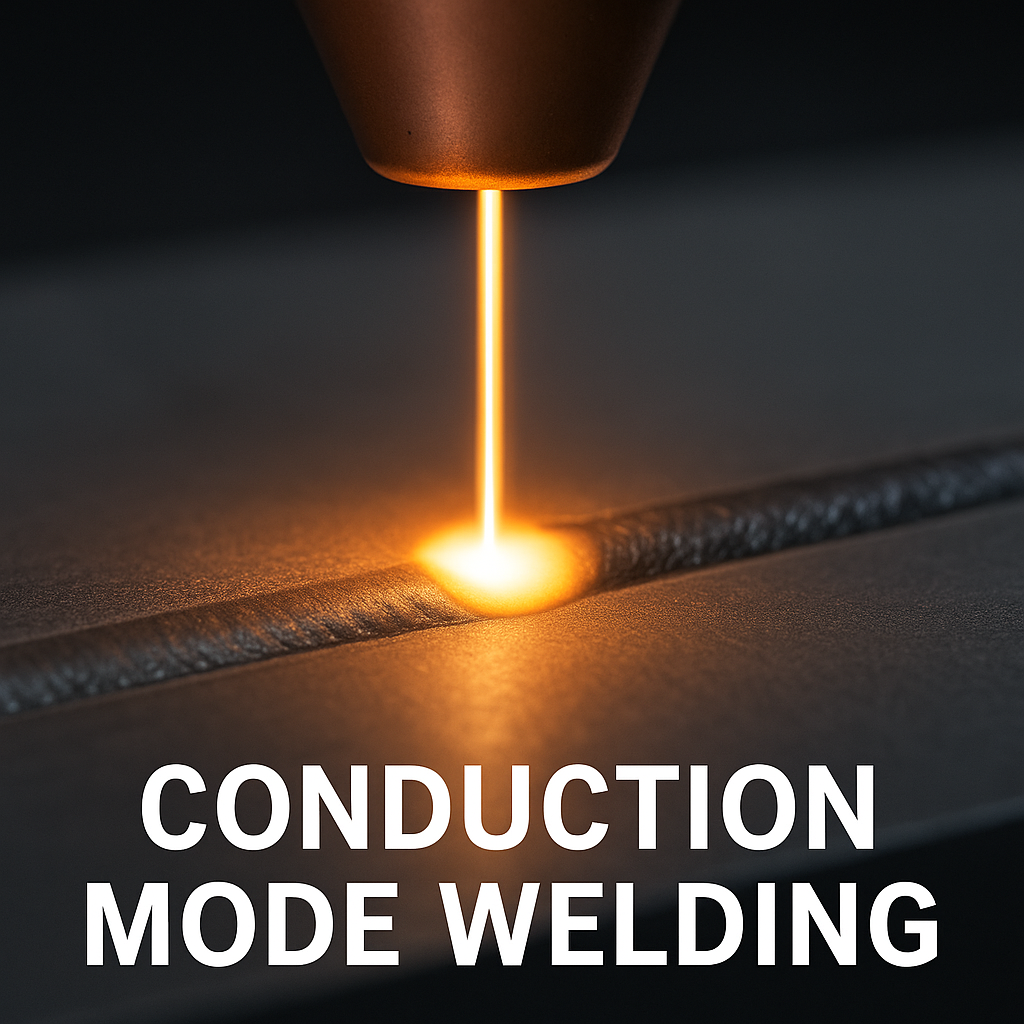
- Laser heats the surface only.
- Creates shallow welds.
- Ideal for thin sheets and delicate components.
b) Keyhole Welding

- Laser penetrates deeply, creating a narrow keyhole.
- Suitable for thicker materials and high-strength applications.
- Used in automotive and aerospace industries.
3. Applications of Laser Welding
Laser welding is applied across many global industries:
- Automotive Industry 🚗
- Manufacturing car bodies, battery packs for electric vehicles, and lightweight materials.
- Aerospace Industry ✈️
- Producing turbine blades, fuel systems, and high-precision components.
- Medical Industry 🏥
- Welding surgical instruments, pacemakers, and medical implants.
- Electronics Industry 💻
- Joining micro-components in smartphones, laptops, and microchips.
👉 Applications of Laser Welding (ScienceDirect)
4. Advantages of Laser Welding
Laser welding is preferred worldwide for its unique advantages:
- Extremely fast and accurate
- Can weld hard-to-reach areas
- Works with different metals and alloys
- Easy to integrate with robotic automation
5. Limitations of Laser Welding
Despite its benefits, laser welding also has some challenges:
- High equipment cost
- Requires skilled operators
- Sensitive to joint preparation
6. Future of Laser Welding
The future of laser welding is tied to automation and AI. Industries are already using robotic laser welding systems for mass production. With the rise of electric vehicles, renewable energy, and aerospace innovation, demand for laser welding will continue to grow.
Conclusion
Laser Welding (LW or LBW) is more than just a welding process—it’s a revolution in industrial manufacturing. By offering speed, precision, and reliability, it has become the backbone of automotive, aerospace, medical, and electronics industries worldwide.
✅ If industries want to stay competitive, adopting laser welding is not a choice, but a necessity.